Ten days over ninety, and the phone starts ringing
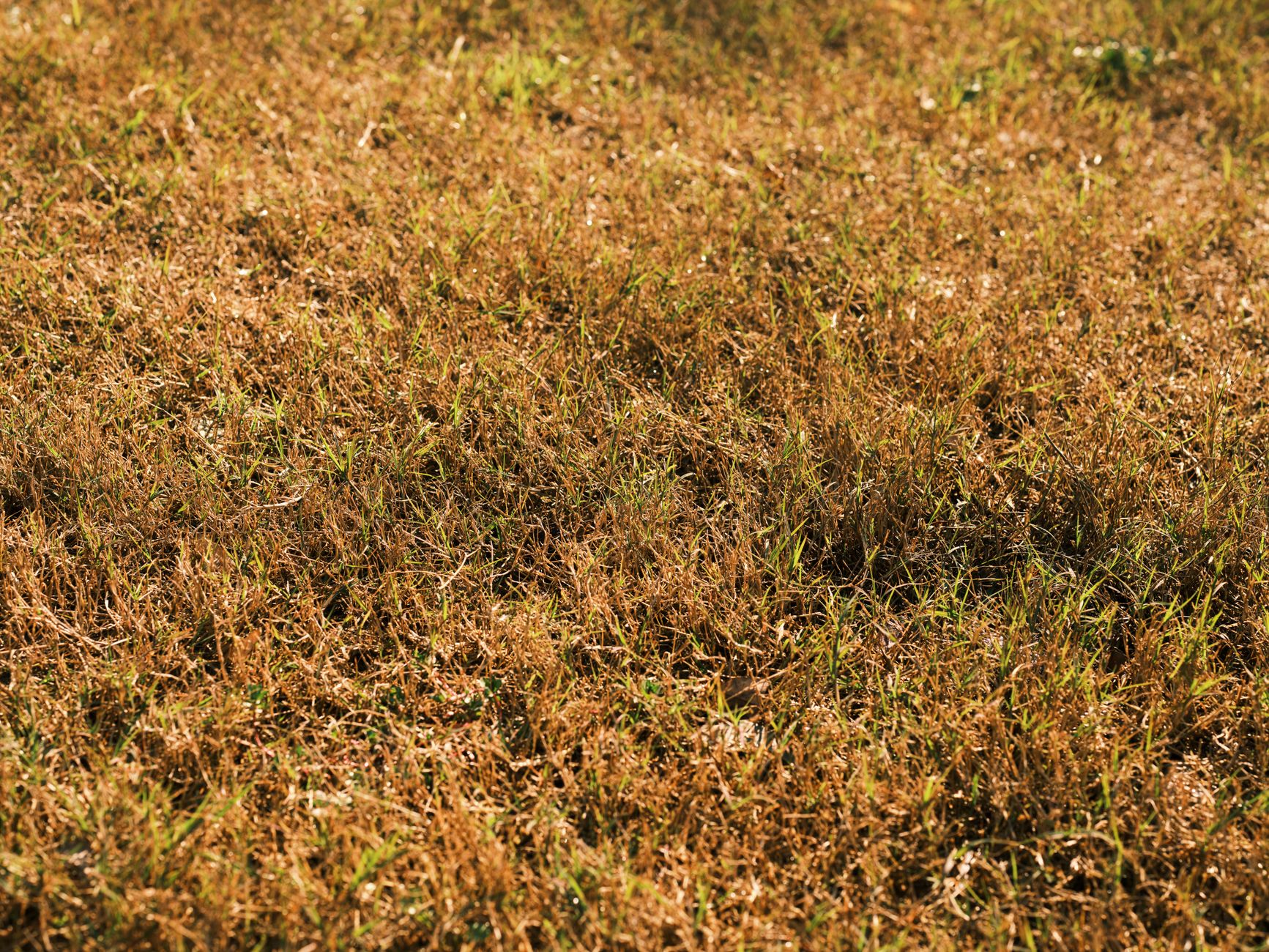
Minnesota just came through its third longest heat wave on record. Ten straight days at or above 90 degrees, and about a week after it broke, the calls started: brown patches, straw-colored rings, greasy-looking spots that showed up almost overnight. That timing is not a coincidence. Fungal pathogens live in every lawn all year, doing nothing, waiting on conditions. Heat plus humidity plus overnight lows that never drop below 70 is the exact recipe, because the leaf surface never fully dries. Dew sits on the blades until mid morning, and the fungus works all night.
After 25 years of doing this in the West Metro, I can tell you the pattern does not change. The damage calls come a week to ten days after the heat breaks, not during it. The good news is that overnight temperatures are the switch, and once nights fall back below 70, lawns move into recovery mode on their own.
A real case: the backyard that browned two years in a row
Here is one that ate a chunk of my summer. A West Metro property where the same backyard section browned out two summers running, both times shortly after an application. The front yard was perfect. The neighbor next door, on the identical program, had zero issues. And the homeowner was doing everything right: sharp mower blades, bagging clippings, minimal thatch, five inches of black dirt under the turf, spring aeration and overseeding, morning watering two to three times a week.
The detective work came down to two differences you would walk right past. The front yard uses rotor irrigation heads and gets airflow from the street. The back uses spray heads, which put down more water per minute, and sits boxed in between buildings where air barely moves. Trapped surface moisture plus heat equals a fungal greenhouse, in one specific section, on an otherwise healthy property.
The blade damage pointed toward dollar spot, but dollar spot is usually a low-nitrogen disease and this followed fertilization, which put pythium blight on the list too. Rather than guess, we documented the whole case, photos and records included, and took it to University of Minnesota Extension turf specialists. When the diagnosis is genuinely uncertain, that is what the U of M is there for, and homeowners can submit samples to their plant disease clinic the same way.
Why we do not just spray fungicide
This surprises people: our default answer to most residential lawn fungus is not a fungicide application. Most of these infections do not kill the turf. They damage leaf tissue, look terrible for a few weeks, and grow out once weather turns. A broad fungicide, meanwhile, does not distinguish between the pathogen and the beneficial soil microorganisms your lawn depends on, the same biology we spend the rest of the year feeding through our soil improvement work.
What actually fixes fungal problems long term, regardless of which fungus you have, is density and genetics. Newer turf varieties carry disease resistance that older lawns simply do not have. Fall aeration and overseeding introduces those strains and thickens the stand, and a properly timed fall fertilization pushes root growth so the lawn recovers from the top down and the bottom up at once.
What to do right now if your lawn has it
First, change how you water during hot, humid stretches. Let the lawn stress a little and dry down instead of keeping the surface constantly damp, and never water in the evening. Deep morning watering, two or three times a week at most. In a shaded or wind-blocked backyard, this matters double, because that surface moisture is what the fungus lives on.
Second, rake out matted areas lightly so air reaches the crowns. If there is real thatch buildup, we dethatch with front-mounted tine rakes rather than power raking, which tears up living crowns along with the dead layer. Third, resist the urge to dump extra fertilizer on the damage in August. Wait for the fall application window, then feed roots, not top growth.
And if you want a second set of eyes, that is literally what we do. We look at lawns like this every week, we photograph and document what we find, and when a case is strange enough, we have the U of M on speed dial. The lawn that browned two years in a row is on a recovery plan built around airflow, adjusted watering, and disease-resistant overseeding this fall. That is the playbook.
Frequently asked questions
Why does only one part of my lawn get fungus?
Because fungus follows moisture and airflow, not property lines. Sections between buildings or fences hold surface moisture longer, spray irrigation heads put down more water per minute than rotors, and shaded areas dry slowly. One boxed-in backyard zone can stay wet 12 hours a day while the front yard dries by 9 a.m., which is why identical lawns behave completely differently.
Should I put fungicide on my lawn?
Usually not. Most residential lawn fungus damages the leaf blades but not the plant crowns, and it grows out on its own once nights cool below 70 degrees. Fungicides also suppress the beneficial soil microbes a healthy lawn depends on. Save them for the rare severe case, confirmed by an actual diagnosis, not a guess.
How do I tell brown patch from dollar spot?
Get down and look at individual blades in good light. Dollar spot leaves small bleached spots roughly silver-dollar sized that can merge, with hourglass-shaped tan lesions on the blade, often edged in reddish brown. Brown patch makes bigger circular patches, sometimes with a smoky gray edge visible in early morning. If you are not sure, photos of both the patch and single blades are what a pro or the U of M clinic needs.
Will my lawn recover on its own after a heat wave?
Mostly, yes. Once overnight temperatures drop below about 70 degrees, which in the West Metro usually means the back half of August into September, lawns enter recovery. Dead spots that do not fill in by mid September are your signal to overseed those areas this fall rather than wait for spring.
When should I overseed after fungus damage in the West Metro?
Late August through mid September. That timing lets disease-resistant seed germinate in warm soil and root before winter, and it is exactly when we run aeration and overseeding routes through Plymouth, Maple Grove, Medina, Rockford, Delano, Buffalo, and the surrounding communities.