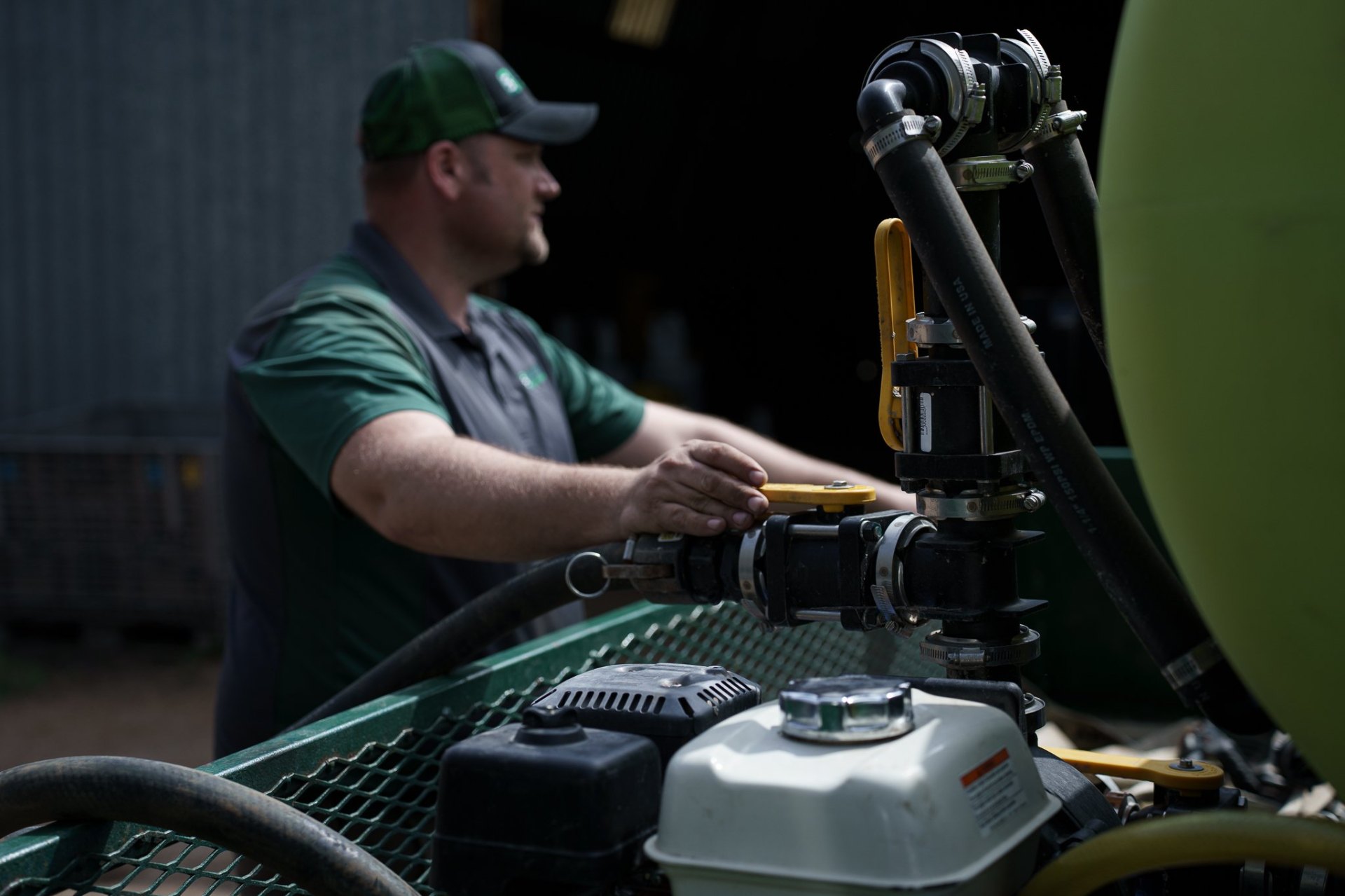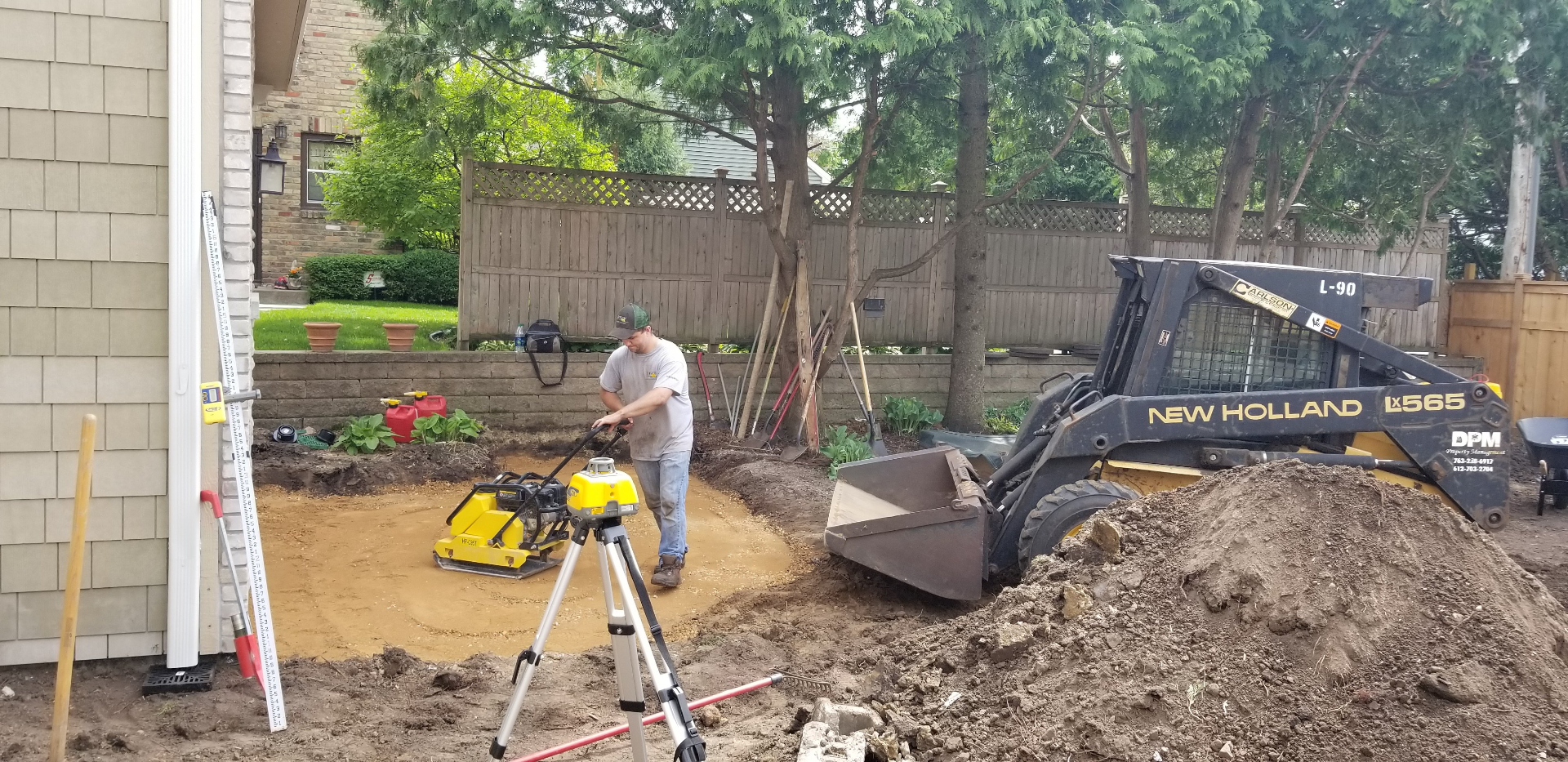
Compost-tea topdressing and humic amendments rebuild the microbial community that powers nutrient uptake - complementing our fertilization program and improving drought tolerance over time.
What's included
- Compost topdressing
- Liquid humic acid
- Site Inspection
- Increased drought resistance
Why soil biology is the missing piece
Fertilizer feeds the plant, but it's the soil's microbiology - the bacteria, fungi, and microfauna in the root zone - that actually unlocks and delivers those nutrients. Years of compaction, chemical-only programs, and removed clippings strip that biology out, which is why many West Metro lawns plateau even on a strong fertilization plan. Our organic soil improvement program rebuilds that underlying ecosystem so every input you put down works harder. Customers usually notice it first as deeper green between fertilization rounds and as turf that bounces back faster from heat and drought.
What we apply and when
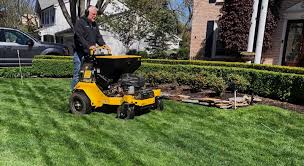
We start with a site inspection to assess soil structure, thatch, drainage, and color. From there, treatments may include a fine compost topdressing to add organic matter and microbes directly to the root zone, liquid humic and fulvic acid applications to free up tied-up nutrients in clay soil, and gypsum where compaction or sodium buildup is a factor. These applications are typically scheduled in spring and fall when soil temperatures favor microbial activity and the lawn isn't under peak stress.
How it pairs with the rest of your program
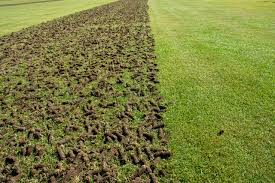
Organic soil improvement is not a replacement for fertilization - it's a multiplier. Customers on our 7-step program who add soil improvement consistently see thicker spring green-up, less summer dormancy, and better fall recovery. It also pairs naturally with core aeration, since aeration creates the channels that let amendments reach the root zone where they actually do work. Over two to three seasons, the cumulative effect is a lawn that needs less rescue work because the soil itself is doing more of the heavy lifting.
Realistic expectations
Soil improvement is a slow-build service - you're rebuilding biology, not painting on color. Most lawns show measurable improvement in density and stress tolerance within one full season, with the biggest gains in year two and beyond. We'll walk you through what to look for and what to expect during the first year so the timeline is clear up front.