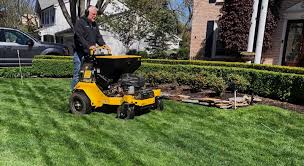
A single preventative application in early summer protects your lawn for the full season. We also offer curative treatments if grub damage has already started.
What's included
- Season-long prevention
- Curative grub treatments
- Protects against beetle larvae
- Applied at optimal timing
What grubs do to a lawn
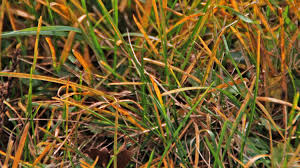
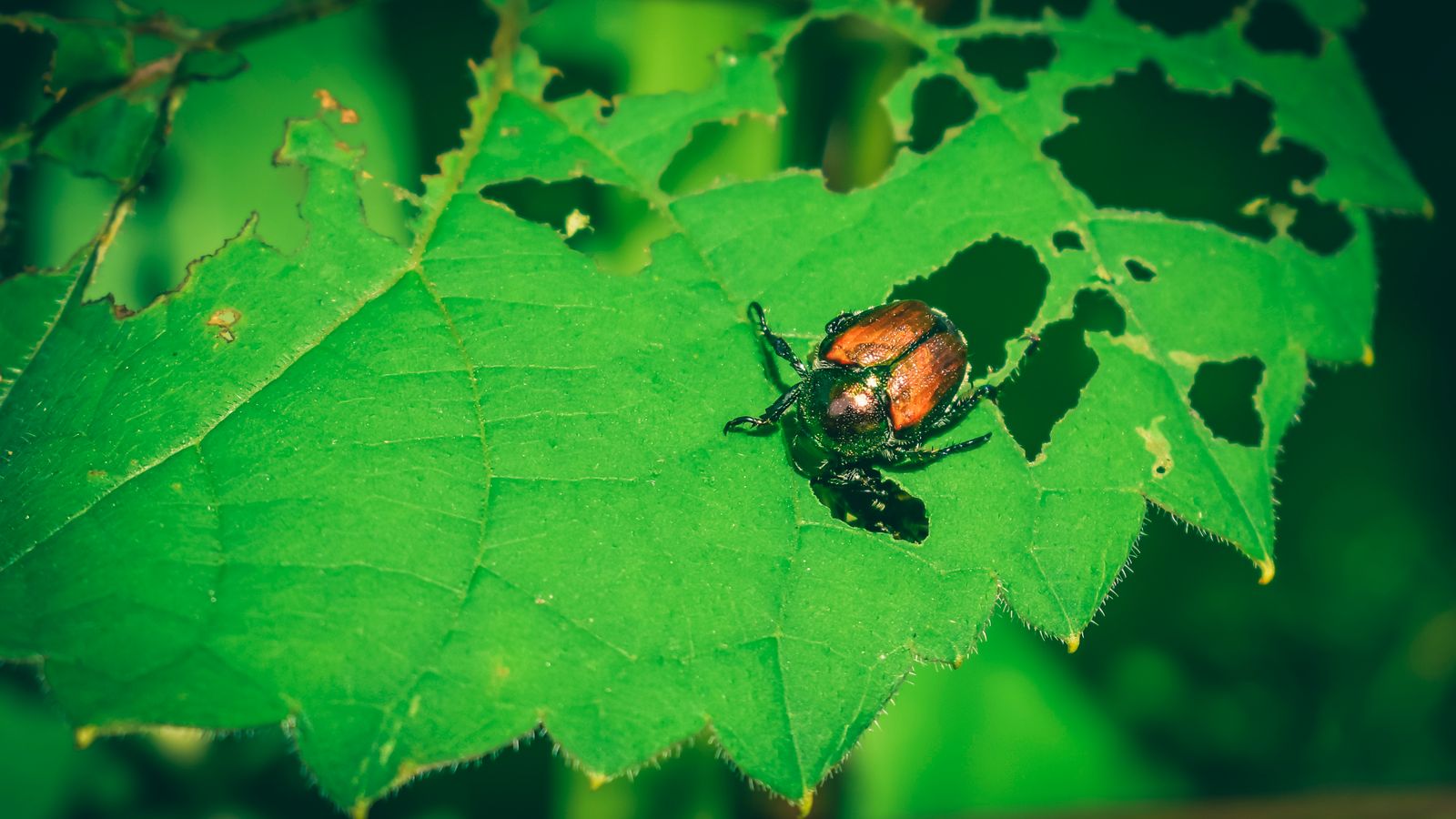
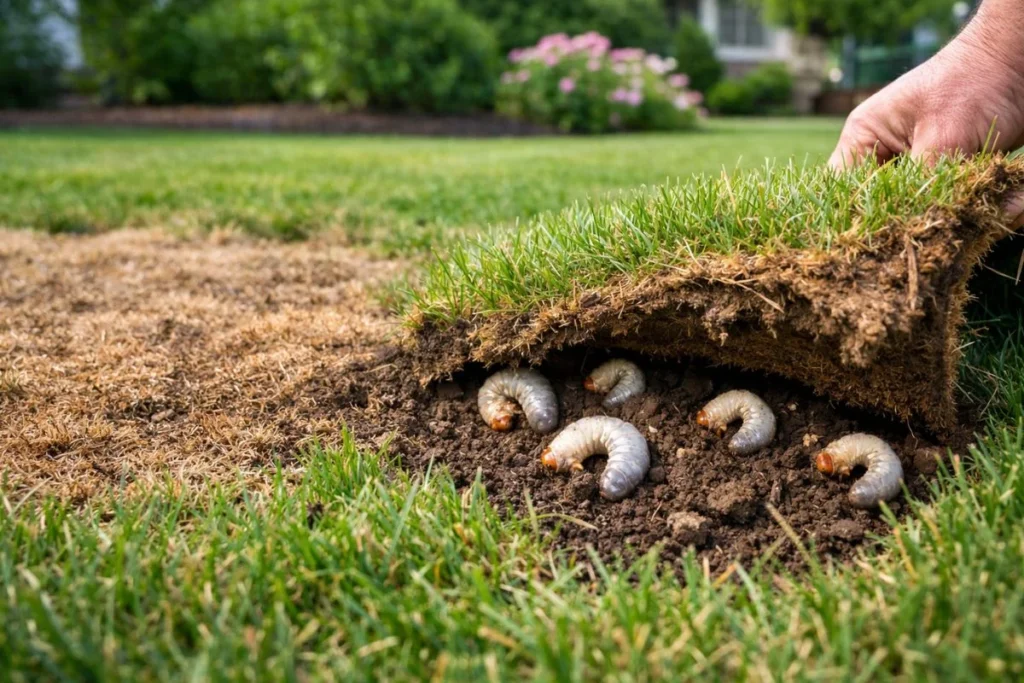
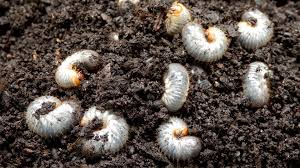
White grubs are the larval stage of beetles - in our area, primarily Japanese beetles, June beetles, and chafers. They feed on grass roots just below the soil surface, severing the plant from its water and nutrient supply. The damage often shows up as irregular brown patches in late summer that pull up like loose carpet because the root system is gone. By the time you see the damage, the grubs have already done most of their work, and you're left re-seeding large sections of lawn the following spring.
Why prevention is the right play
A single, well-timed preventative application in early summer puts a protective product in the root zone before grubs hatch and start feeding. That one application protects your lawn for the entire grub season, eliminating both the feeding damage and the secondary damage from skunks and raccoons digging for grubs. It's one of the highest-ROI applications in lawn care - low cost, high downside if skipped.
Curative options if damage has already started
If you're already seeing pull-up patches or animal digging, we have curative products that knock down active grubs quickly. The catch with curative work is that any damage already done is permanent for the season - you'll typically need to overseed those areas in fall. That's why we lean preventative whenever possible. During your estimate, we'll inspect for active damage and recommend the right path.
Pairing with the rest of your program
Grub control fits naturally alongside our fertilization program and is often added as a single application on top. For lawns that have been overseeded or aerated, protecting the root zone with grub prevention is especially valuable - you're protecting the investment you just made in the lawn.